Côté Suisse

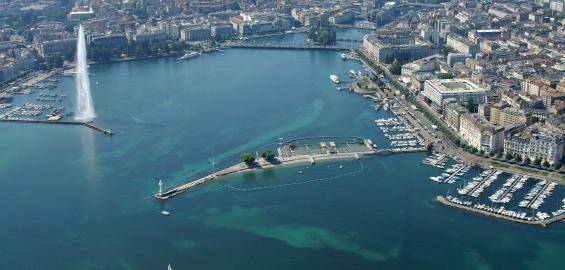
vuesaeriennes01_copyright_geneve_tourisme_1Su un territorio di appena 16 Km quadrati, tale è l’estensione della città di Ginevra, ci sono 20 musei, fra pubblici e privati. La città spende il 22% del suo budget annuale per la cultura. Tuttavia come Philippe Vignon, patron di Genéve Tourisme  ha dichiarato “Ginevra è molto brava nel savoir-faire ma decisamente mediocre nel faire-savoir”, infatti la sua pecca principale è quella di non essere in grado di fare una convincente “promozione culturale”.

Finalmente chi doveva interessarsi di questa fondamentale verità se n’è accorto. Ginevra finora ha vissuto un singolare paradosso. Città attivissima dal punto di vista culturale, capitale della musica classica ed elettronica, della danza moderna e del teatro d’avanguardia non si è mai preoccupata di promuovere questa sua vocazione, tagliando fuori di netto le migliaia di possibili frequentatori stranieri degli eventi e creando quasi una casta di iniziati al corrente delle diverse offerte culturali.

Alexandre Demidoff, editorialista di Le Temps ha messo il dito nella piaga affermando che Ginevra a tal argomento si dimostra : “Aristocratica fino all’indifferenza, e favorisce una cultura tra pochi, a prescindere dai profitti, simbolici, narcisistici ed economici, che tale offerta può portare”.

La soluzione a ciò che è stato definito “calvinismo in materia di politica culturale” è quella di puntare sui musei nonostante le loro pecche e i loro ritardi nelle infrastrutture, gli esperti hanno riscontrato che per far risorgere Ginevra come capitale culturale al pari di altre città europee è necessaria un’icona, come il Guggenheim per Bilbao, come la Fondazione Beyeler per Basilea. Chissà se la sfida verrà accettata dalla municipalità. Per quanto riguarda noi italianintransito e tutti gli altri expat della città non vediamo l’ora che le cose cambino per poter godere in qualche modo della vitalità culturale di Ginevra, per noi semi sconosciuta! Che dire? Ci auguriamo che la città di Ginevra si accorga e sia clemente con i non iniziati, ma affamati di cultura… e ce ne sono tanti!


English version

Over a land area of just 16 squared kilometres, in the westernmost tip of Switzerland, you will find the city of Geneva and its 20 museums. The city spends 22% of their annual budget on culture. However, as Philippe Vignon, head of Genéve Trouisme, states ‘Geneva has plenty of savoir-faire, but is mediocre in the field of faire-savoir’. The city’s biggest fault, in fact, is the lack of a successful marketing campaign to publicise the existence and extent of their numerous cultural attractions.

Recently, the people that were meant to take care for this aspect of Geneva’s cultural heritage, realised their mistakes. Until now, the city of Geneva has been paradoxically both very active in the cultural field, with important events taking place spanning from music, dancing, and theatre performances, while at the same time never really bothering to let people know about them, cutting out thousands of potential foreign visitors from seeing the city for the culturally rich environment it sustains. This creates a small group of privileged few that know about these events.

Alexandre Demidoff, editor of Swiss newspaper Le Temps, caused a stir stating that Geneva, when faced with the argument, is ‘aristocratic to the point of indifference, and favours a culture reserved for a fortunate few, without regards to the economic, symbolic and narcissistic profits that doing the opposite would bring’.

The solution to what was defined ‘calvinism in the field of political culture’, is to wager in favour of these museums regardless of their faults such as their lateness in building infrastructure. Experts’ reports claim that in order for Geneva to become an important cultural focal point like its European counterparts, it needs to find its iconic establishment, much like the Guggenheim in Bilbao or the Beyeler Foundation in Basel. Who knows whether this challenge will be taken up by the city’s municipality, who holds the power to make this change happen. All we know is that us Italianintransito, along with countless expats, cannot wait for a change in the city’s politics in order to enjoy the vitality around Geneva’s cultural life so unfamiliar to us. What else? We hope that the city of Geneva realises its mistakes for the culture-hungry population… After all, there are plenty of us!
23 – 29 March 2015, #museumweek2015

twitter-museum-weekSecondo voi è possibile celebrare la cultura attraverso un social media come Twitter?

Nel 2014 una dozzina fra istituzioni culturali francesi e manager di grandi musei in collaborazione con Twitter hanno dato vita alla “settimana dei musei” alla quale l’anno scorso parteciparono più di 630 istituzioni attraverso l’intera Europa, oggi l’evento vuole diventare planetario e già 29 paesi vi partecipano attivamente.

Ma di cosa si tratta? L’idea parte dal fruitore finale del museo, della collezione, della galleria: il pubblico. Per anni infatti le istituzioni hanno lottato, inutilmente, per limitare l’accesso alle strutture con fotocamere, telefoni cellulari dotati di macchina fotografica, enciclopedie on line e tutte le diavolerie elettroniche che ci portiamo quotidianamente con noi, per evitare che le preziose collezioni venissero fotografate di soppiatto, “amate fino alla morte”, postate su Facebook, SnapChattate senza ritegno da un pubblico, cialtrone forse, ma comunque pagante. Allora che fare? Beh se il nemico non si può combattere almeno fattelo amico! Ed ecco che molti musei hanno iniziato non solo ad abbracciare la filosofia del Tweet, ma addirittura a fornire una rete wireless istituzionale in modo che il tweet divenisse una incredibile fonte di pubblicità gratuita!

Così è nata #museumweek2015.  In 7 giorni, dal 23 al 29 marzo, con 7 temi da condividere con tutti i partecipanti di ogni parte del mondo, per ogni giorno un ashtag “#” diverso:

Lunedì 23 marzo con l’ashtag #secretsMW il pubblico scoprirà la vita quotidiana, il “dietro le quinte” delle varie istituzioni e chissà magari anche qualche segreto ben custodito.

Martedì 24 marzo #souvenirsMW il pubblico sarà invitato a condividere, naturalmente su Twitter, i ricordi che hanno di una loro visita al museo.

Mercoledì 25 marzo #architectureMW il pubblico potrà scoprire la storia dell’edificio che accoglie l’istituzione, dei suoi giardini, del suo quartiere e dei suoi luoghi emblematici.

Giovedì 26 marzo #inspirationMW il pubblico potrà catturare, intorno a sé, l’arte, la scienza, la storia, l’etnografia a seconda della specializzazione della struttura.

Venerdì 27 marzo #familyMW il pubblico potrà apprezzare e provare tutto ciò che offre l’istituzione per rendere una visita in famiglia o con la scuola un’esperienza indimenticabile.

Sabato 28 marzo #favMW sarà il giorno dei colpi di fulmine! I visitatori potranno condividere – con una foto, un video – ciò che hanno amato di più del museo.

Domenica 29 marzo #poseMW tutti potranno considerare il museo come un set e mettersi al centro della scena. Pose, memi, selfie tutto è possibile!

Durante l’evento, tutti possono cogliere l’occasione per dimostrare il loro entusiasmo nei confronti del museo che stanno visitando e della cultura in generale. Servirà ad avvicinare un pubblico più vasto all’idea di museo?


English version 

Is it possible, in your opinion, to celebrate culture through a social media platform like Twitter?

In 2014 a dozen French cultural associations and large museums managers, through a collaboration with Twitter, came together and organised ‘Museum Week’, a project which involved 630 institutions throughout Europe joining forces on the social media website. This year Twitter is repeating their successful experiment, and expanding it worldwide, with 29 confirmed participating countries.

But what is Museum Week? The idea begins with the final ‘user’ of a museum, an exhibition, a gallery: the public. For years, institutions like museums have fought relentlessly though uselessly to limit access in their premises with cameras, cameraphones, online encyclopaedias, and all other electronic aids that, nowadays, are but a swipe of the finger away. This has always been an attempt to prevent the public from sneaking photograph inside their exhibitions, that would certainly end up on a social media platform, to prevent them from being posted on Facebook, from being SnapChatted, and from all the other online terms that have become part of our everyday vocabulary. This allowed galleries and museums to make sure that the only people able to observe the works contained would be the paying costumers. But, as they say, if you can’t beat them join them. And that is how how Museum Week was born, as many of the institutions that faced this problem started embracing the idea of dedicating a week to tweeting the ins and outs of their exhibitions, gaining ‘favourites’ in exchange for large amounts of publicity.

This is how the ongoing #museumweek2015 was created. It consists of 7 days, from March 23 to March 29, each treating a different theme to be shared with users all over the world, each represented through a different hashtag:

Monday 23 March was dedicated to the hashtag #secretsMW, in which the public was allowed to see the behind the scenes life in large institutions and museum around the world, and, who knows, maybe revealing some juicy secrets.

Tuesday 24 March the hashtag for the second day was #souvenirsMW, where the users were invited to share, through Twitter, the memories that they may have of their visit to the museum.

Wednesday 25 March revolves around #architectureMW, where users will learn of the story of the building that the museum is found in, of its neighbourhood, and of its significant landmarks.

Thursday 26 March with #inspirationMW, the user will be able to capture art, science, history and ethnography within (and depending on) the institution.

Friday 27 March will look at #familyMW, where the user will be able to appreciate and try all the  museum has to offer in order to make a family visit or school trip an unforgettable experience.

Saturday 28 March, #favMW, will be the day where users have the opportunity to share via photo or video on Twitter, what they loved most about the museum.

Sunday 29 March will be dedicated to #poseMW, where all museums taking part of the project will become photoshoot sets, and photos, selfies and group shots will be allowed.

Throughout the entirety of the event, everyone can take the opportunity to show their enthusiasm in regards to the museum that they are visiting through Twitter. Will it be useful in an attempt to introduce a larger amount of ‘users’, the public, to the idea of visiting a museum?