Côté Suisse

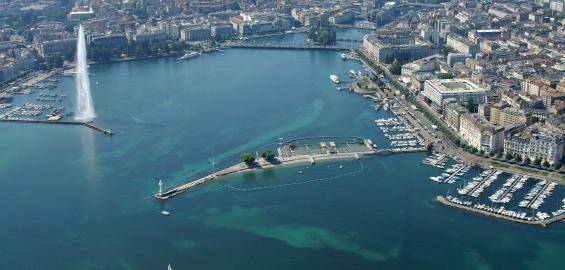
vuesaeriennes01_copyright_geneve_tourisme_1Su un territorio di appena 16 Km quadrati, tale è l’estensione della città di Ginevra, ci sono 20 musei, fra pubblici e privati. La città spende il 22% del suo budget annuale per la cultura. Tuttavia come Philippe Vignon, patron di Genéve Tourisme  ha dichiarato “Ginevra è molto brava nel savoir-faire ma decisamente mediocre nel faire-savoir”, infatti la sua pecca principale è quella di non essere in grado di fare una convincente “promozione culturale”.

Finalmente chi doveva interessarsi di questa fondamentale verità se n’è accorto. Ginevra finora ha vissuto un singolare paradosso. Città attivissima dal punto di vista culturale, capitale della musica classica ed elettronica, della danza moderna e del teatro d’avanguardia non si è mai preoccupata di promuovere questa sua vocazione, tagliando fuori di netto le migliaia di possibili frequentatori stranieri degli eventi e creando quasi una casta di iniziati al corrente delle diverse offerte culturali.

Alexandre Demidoff, editorialista di Le Temps ha messo il dito nella piaga affermando che Ginevra a tal argomento si dimostra : “Aristocratica fino all’indifferenza, e favorisce una cultura tra pochi, a prescindere dai profitti, simbolici, narcisistici ed economici, che tale offerta può portare”.

La soluzione a ciò che è stato definito “calvinismo in materia di politica culturale” è quella di puntare sui musei nonostante le loro pecche e i loro ritardi nelle infrastrutture, gli esperti hanno riscontrato che per far risorgere Ginevra come capitale culturale al pari di altre città europee è necessaria un’icona, come il Guggenheim per Bilbao, come la Fondazione Beyeler per Basilea. Chissà se la sfida verrà accettata dalla municipalità. Per quanto riguarda noi italianintransito e tutti gli altri expat della città non vediamo l’ora che le cose cambino per poter godere in qualche modo della vitalità culturale di Ginevra, per noi semi sconosciuta! Che dire? Ci auguriamo che la città di Ginevra si accorga e sia clemente con i non iniziati, ma affamati di cultura… e ce ne sono tanti!


English version

Over a land area of just 16 squared kilometres, in the westernmost tip of Switzerland, you will find the city of Geneva and its 20 museums. The city spends 22% of their annual budget on culture. However, as Philippe Vignon, head of Genéve Trouisme, states ‘Geneva has plenty of savoir-faire, but is mediocre in the field of faire-savoir’. The city’s biggest fault, in fact, is the lack of a successful marketing campaign to publicise the existence and extent of their numerous cultural attractions.

Recently, the people that were meant to take care for this aspect of Geneva’s cultural heritage, realised their mistakes. Until now, the city of Geneva has been paradoxically both very active in the cultural field, with important events taking place spanning from music, dancing, and theatre performances, while at the same time never really bothering to let people know about them, cutting out thousands of potential foreign visitors from seeing the city for the culturally rich environment it sustains. This creates a small group of privileged few that know about these events.

Alexandre Demidoff, editor of Swiss newspaper Le Temps, caused a stir stating that Geneva, when faced with the argument, is ‘aristocratic to the point of indifference, and favours a culture reserved for a fortunate few, without regards to the economic, symbolic and narcissistic profits that doing the opposite would bring’.

The solution to what was defined ‘calvinism in the field of political culture’, is to wager in favour of these museums regardless of their faults such as their lateness in building infrastructure. Experts’ reports claim that in order for Geneva to become an important cultural focal point like its European counterparts, it needs to find its iconic establishment, much like the Guggenheim in Bilbao or the Beyeler Foundation in Basel. Who knows whether this challenge will be taken up by the city’s municipality, who holds the power to make this change happen. All we know is that us Italianintransito, along with countless expats, cannot wait for a change in the city’s politics in order to enjoy the vitality around Geneva’s cultural life so unfamiliar to us. What else? We hope that the city of Geneva realises its mistakes for the culture-hungry population… After all, there are plenty of us!
La sala di lettura

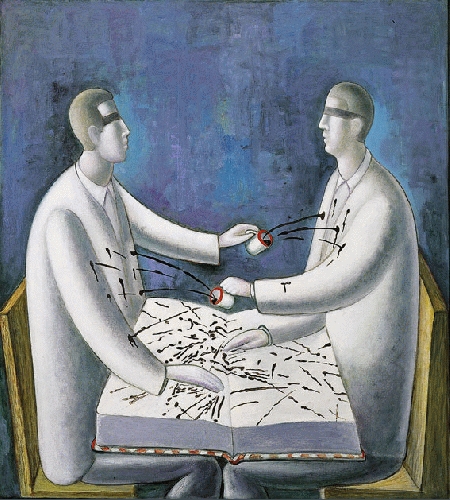
Roberto Barni
Roberto Barni

Ci sono momenti nei quali ci piacerebbe invocarli; in altri ci sembra di averli percepiti. Nei racconti che ci hanno tramandato, da sempre vengono rappresentati per intervenire nei destini degli esseri umani: sono gli angeli.

Gesù separa le pecore dalla Capre, Ravenna Sant'Apollinare Nuovo
Gesù separa le pecore dalla Capre, Ravenna Sant’Apollinare Nuovo

Nella Bibbia li troviamo dalla Genesi all’Apocalisse, messaggeri e intermediari tra cielo e terra oppure intenti a popolare i cieli, tanto che un qualche autore medievale – conosciuto come pseudo Dionigi Areopagita (pseudo perché usato come pseudonimo da un autore vissuto più tardi del giudice dell’Areopago convertito da san Paolo, cui il nome apparterrebbe) – aveva addirittura scritto un intero libro sulla “gerarchia celeste”, partendo da Angeli e Arcangeli, per arrivare sino a Cherubini, Troni e Dominazioni (se ci si reca a visitare il Battistero di Firenze li si vedono tutti quanti, raffigurati in alto, in un mosaico bellissimo). E tra tutte queste presenze celesti, gli angeli e gli arcangeli sono quelli che ci hanno sempre accompagnato invitandoci a vedere oltre la realtà di questo mondo: non a caso Angelos significa messaggero.

Sono raffigurati nelle chiese e nelle opere d’arte, sono menzionati nella letteratura: conoscerli, significa avere interesse alla nostra cultura. Se, quindi, volete saperne di più, sugli angeli,vi suggerisco un libro dove troverete la storia di come sono stati concepiti attraverso i secoli. Si intitola Angeli ed è scritto da Heinrich Krauss, pubblicato da Einaudi.cop

Se poi, in questa Settimana Santa, avete voglia di fermarvi a riflettere sulla figura dell’angelo nell’arte, allora vi consiglio un altro libro sempre intitolato Angeli, ma questa volta composto come un repertorio di immagini nella storia dell’arte. E’ scritto (per le edizioni Mondadori) da Marco Bussagli. E qui partirete davvero per un lungo viaggio di forme, colori e significati, dai mosaici della Creazione (XII sec ) nella Basilica di San Marco a Venezia fino all’Angelo ritto sul sole di William Turner. Ogni opera riprodotta riporta anche la storia biblica, così possiamo ricordare l’episodio a cui si riferisce.

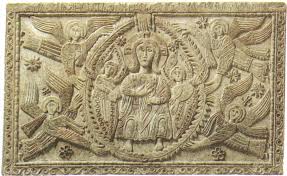
Cristo in gloria fra i cherubini, altare di Ratchis,Cividale del Friuli

E oggi gli angeli esistono? Per Marco Vitale sì e ce lo racconta in un libro molto commovente, dal titolo Gli angeli nella città. Niente di magico o esoterico: gli angeli descritti sono persone vere, gente comune che hai incontrato nella vita e che “agiscono non con i miracoli, ma nella concretezza delle relazioni umane, nella realtà dei loro rapporti d’amore” . Tra essi un capitolo è dedicato a Giorgio Ambrosoli, onesto galantuomo, eroe borghese (come fu definito in un bel film) e martire d’un’Italia scellerata, definito dall’autore l’angelo della sofferenza.

Flan di zucchine e salsa al gorgonzola // Courgette flan with Gorgonzola cream

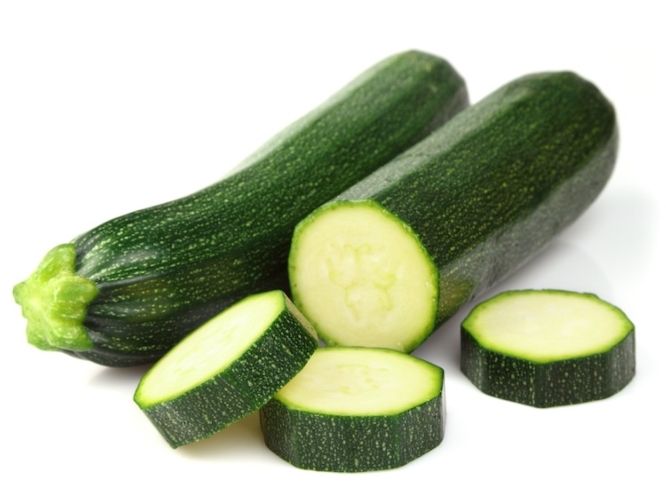
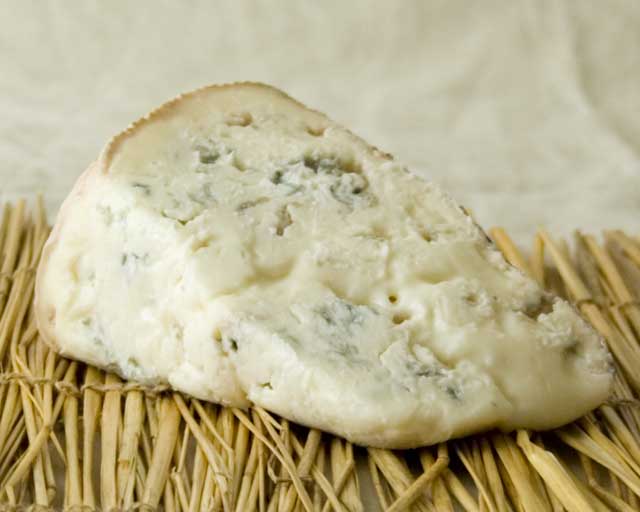
zucchine-zucchino-zucchina-by-dionisvera-fotolia-750x563 Piedmont-Cheese-Gorgonzola-DolceNon so da voi, ma qui da noi il primo aprile è giornata uggiosa assai. Ritorno del freddo pungente a causa delle abbondanti nevicate che ci sono state sui monti attorno al lago e, della timida primavera intravista nei giorni scorsi, abbiamo già perso memoria.

È necessario allora uno svago, e la cucina è ancora uno dei miei preferiti. Scartabellando fra i miei appunti culinari ho trovato questa ricetta che sembra accordare umore autunnale e freschezza primaverile. Semplice semplice, impossibile sbagliarla, di sicuro effetto… e poi che buona!

Occorrono due zucchine belle grosse, una confezione di panna da cucina, parmigiano grattugiato (un cucchiaio) un piccolo scalogno, una noce di burro, due uova fresche, sale, un pizzico di pepe e soprattutto il mio formaggio preferito: il Gorgonzola (200 gr).

Due parole su questo “Signor formaggio” saporito, tradizionale e decisamente italiano (si distingue in cremosità e consistenza da tutti gli altri “erborinati”). Il Gorgonzola esiste da tempo immemore. Si può farlo addirittura risalire al testamento dell’arcivescovo milanese Ansperto da Biassono che cita una sorta di “cacio” nell’881, parente stretto del prodotto denominato in seguito Gorgonzola. Si raccontano anche tante leggende sulla sua invenzione. Ad esempio quella che dice che trovandosi Gorgonzola, il paese con i suoi pascoli, sulla via del ritorno degli armenti dalle malghe prealpine, il latte munto dalle vacche “stracche” (stanche) formava lo stracchino di Gorgonzola. Oppure quella più romantica che ne vuole la creazione ad opera di un mandriano innamorato che vuoi per incontrare la sua bella vuoi perché l’amore gli aveva fatto dimenticare gli strumenti per trasformare il latte in quartirolo o crescenza, mescolò la cagliata del giorno prima con quella del mattino creando questo spettacoloso formaggio…

Non mi dilungo oltre. Tagliate le zucchine e fatele saltare in padella con lo scalogno. Attenzione a non rompere le fette perché dovrete piazzare quelle più belle sul fondo di 4 stampini da soufflé. Togliete dal fuoco e quando le zucchine saranno raffreddate frullatele con due cucchiai di panna, le uova e una fetta di Gorgonzola e il Parmigiano grattugiato, salate se necessario. Mettete il composto negli stampini e cuoceteli per 25 minuti a bagnomaria. Intanto sciogliete il gorgonzola insieme alla noce di burro e alla panna restante finché otterrete una salsa piuttosto densa. È tutto. Girate gli stampini in un laghetto di salsa al gorgonzola… Belli da vedere e buoni da mangiare!


English Version

I don’t know about you, but for us the first of the month was a dull and grey day. A biting cold fell upon us once again and the mountains around the lake were sprinkled with snow for what we hope will be the last time this year. The days of timid spring that seemed to be taking over are now nothing but memories.

It is necessary then to find a way to pass the time, and cooking is still one of my favourites. Looking through my notes I found a recipe that, in my opinion, perfectly mixes the autumnal tones and the spring freshness. Extremely simple, impossible to get wrong, and sure to impress… not to mention delicious!

You will need two large courgettes, one small tub of single cream, a tablespoon of parmesan cheese, one small shallot, a knob of butter, two fresh eggs, salt, a pinch of black pepper, and most importantly, the favourite cheese of us northerners: 200 grams of Gorgonzola.

It is necessary to add a few words about this very traditionally Italian cheese. Gorgonzola has existed for centuries. The first account dates back to the testament of archbishop Ansperto de Biassono, that mentions a sort of cheese similar to what we now know as Gorgonzola as early as 881. Because of its age, tales about its invention couldn’t be missed, such as one that claims that the milk used for the making of this type of cheese is collected by the milking of ‘stracche’ (tired) cows around the village of Gorgonzola, where the cheese originated from, found on the way back into Italy for troops returning from their pre-Alps pastures. Another tale, more romantic than the last, claims that the cheese was created by a herdsman who had fallen in love and, because of him meeting his muse or because of his forgetfulness to work the milk into becoming ‘quartirolo’ or ‘crescenza’ induced by love, mixed the previous day’s curd with the fresh milk, creating this spectacular cheese…

But I won’t say more. Cut the courgettes and sauté them in a pan with the shallot. Be careful to not break the slices, as you will have to place the most intact as a base for the four soufflé dish you will use to put the plate together. Remove the pan from the heat and when the courgettes will have cooled, blend them with two tablespoons of single cream, the eggs, a slice of gorgonzola and the grated parmesan cheese. Put the mixture into the dishes and cook them for 25 minutes in bain-marie. Meanwhile, melt the rest of the Gorgonzola with a knob of butter and remaining single cream until you will have obtained a dense sauce. And that is all! Dip the content of the soufflé dishes into a pool of the blended sauce and they will be ready to serve. Nice to look at, and most importantly, good to eat!


Bella ciao!

Stiamo per raccontarvi una storia antica che risale agli ultimi concitati mesi della Seconda Guerra Mondiale, una storia che parla di uno scatto fotografico, del sorriso di una donna coraggiosa e di come sia diventata un’icona per coloro che si oppongono ai regimi totalitari.

lisettaLa storia ha dell’incredibile. La fotografia risale al novembre 1944, con ogni probabilità è stata scattata da un fotografo al seguito delle truppe alleate, come testimonia anche il nome con la quale è stata registrata nell’archivio dell’Imperial War Museum britannico: The italian Magnis freedom fighters. Fino a qualche mese fa la donna che compare sorridente in un golfino bianco tenendo i lembi della sciarpa con una mano e brandendo il fucile con l’altra era definita “ignota”, non se ne sapeva nulla. Non si conosceva la sua storia, il suo nome, per quale ragione si trovasse sulle montagne della Val d’Aosta cercando di guadagnare la Francia. Di lei si sapeva solo che la sua foto, il suo sorriso, il suo sguardo fiero che, a distanza di oltre 70 anni, “buca” ancora l’obiettivo, erano stati usati nella campagna di propaganda voluta dagli alleati che tendeva a dimostrare il coraggio delle popolazioni in lotta contro il fascismo, che spronava tutti a prendere le armi per liberarsi dal giogo della dittatura.

Oggi grazie agli sforzi di una giornalista testarda, Emanuela Risari, si è arrivati a stabilire che la “partigiana” della foto è Prosperina Vallet, nome di battaglia Lisetta, sposata con Rino Mion, nome di battaglia Fulmine, e faceva parte della brigata partigiana autonoma Vetrosan, che nei primi giorni del novembre 1944 stava ripiegando in Francia perché a corto di munizioni e di cibo. Storie minime, che si sono dipanate come tanti rivoli all’interno di un quadro storico complessivo di eccezionale dolore e violenza. Storie di persone normali divenute eccezionali perché disposte a sacrificare tutto e tutti in nome di un ideale di libertà che in quegli anni era difficile anche solo sognare. Lisetta era nata ad Aymavilles, nel 1911, ma la cosa più sconcertante è che è vissuta fino al 1998 senza sospettare di essere diventata un’icona della Resistenza antifascista.

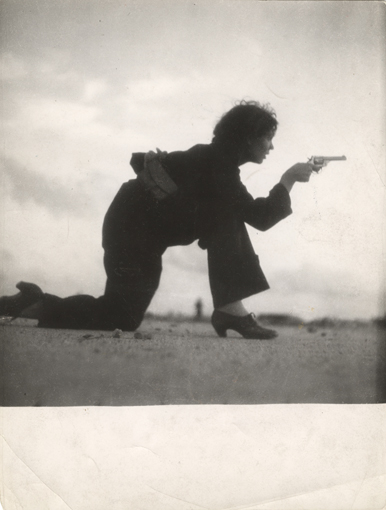
TaroLa sua foto è esposta fino al 31 maggio nella mostra Questa è guerra allestita al Palazzo del Monte di Pietà a Padova. Accanto ad essa spicca un’altra icona femminile dei tempi di guerra, lo scatto di Gerda Taro che ritrae una Miliziana repubblicana spagnola che si esercita sulla spiaggia di Barcellona, nell’Agosto del 1936. Insomma come dire il sesso debole!


English Version 

We are going to tell you a tale that takes place in the last agitated months of the Second World War, a story that revolve around a photograph, of the soil of a brave woman and how she became an icon for those opposing to totalitarian regimes.

The story of this image is truly incredible. The photograph, capturing a moment of November 1944, was probably taken by an Allied Forces soldier, as the title with which is it registered at the British Imperial War Museum in London suggests: ‘The Italian Magnis Freedom Fighters’. Until a few months ago, the friendly face of the woman, smiling and wearing a white pullover, holding onto her scarf in one hand and a gun in the other, was best described as ‘unknown’, nothing about her was certain. No one knew her story, her name, the reason for which she was in the mountains of the Aosta Valley along with soldiers trying to occupy France. The only thing that was certain about the woman appearing in the photograph was the at her smile and her proud gaze lead the photograph to become a key image in the propaganda campaigns in the war against fascism in Italy, pushing all to take up arms to free their country from the oppressing dictatorship. 

Today, thanks to the extensive effort by ‘stubborn’ journalist Emanuela Risari, the identity of the woman in the photos was made public: she is Prosperina Vallet, who in battle was referred to as Lisetta, wife of partisan Rino Mion, who fought alongside her under codename Fulmine, lightening. They were both part of the autonomous brigade known as Vetrosan, that during the first days of November 1944 was withdrawing to France because of a shortage of food and ammunition. The story of these people were simple stories, but ones that added to the complessive amount of pain and violence that branched out during that time period. Many are the stories of normal people ready to give up all they had in the name of a freedom that, during those treacherous years was difficult to even imagine. Lisetta was born in Aymavilles in 1911, and lived on until 1998, clueless to the fact that she had been, for many years, the icon of anti-Fascist resistance.

The photograph of Lisetta and many others are displayed until the 31st of May at the exhibition ‘Questa è Guerra’ (This is War!) at the Palazzo del Monte di Pietà in Padua. Next to the one of Lisetta you will find the photograph of another woman that became a symbol in times of war taken by Gerda Taro in August 1936 during the Spanish Revolution, depicting a Republican militia training on a beach in Barcelona.

Chiacchiere del lunedì // Monday morning recap

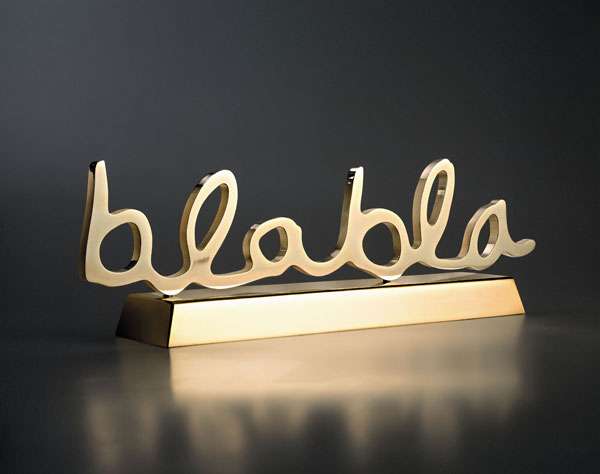
Delphine Boël, The Golden Rule blabla
Da sempre i manuali mi attraggono, per me sono come il taglio di capelli, quando lo faccio penso di cambiare vita e così quando compro un manuale penso che poi saprò tutto di quella specifica materia. Dunque con la prima gravidanza ho letto mille libri che mi spiegavano come fare la mamma, poi sono passata a come fare la pizza e la pasta fatta in casa, poi al giardinaggio, poi ad allevare un cane. Tra i fallimenti più cocenti è da annoverare l’ultimo manuale comprato: come smettere di mangiare…
Oggi la vita si allunga e il rapporto con le mie figlie che è sempre in cambiamento, subirà con il tempo ancora tante modificazioni. I manuali per la crescita e l’adolescenza li ho già riposti in libreria, ma cosa ne sarà di me nel rapporto figlio genitore negli anni a avvenire?. Quali gli errori più comuni?  quali le linee guida? Mi direte usa il buonsenso, sarà, ma io non smetto di pensare che un manuale figlie e madri vecchie mi  potrebbe essere  di grande aiuto.
Buon lunedì
English version

I have always been attracted to manuals, to me they are like haircuts, when I get one I do so with the intention of changing my life. Therefore, during my first pregnancy I read thousands of books about how to be a mother, about how to make homemade pasta and pizza, about gardening, about raising a dog.  Among the biggest failures, was the last manual I read: How to stop eating…

Nowadays life is long so my relationship with my daughters, which is always evolving, still has many changes to go through. I’ve already put down the manual about adolescence and the teenage years, but I still ask, what will be of me in my parent-child relationship in the years to come? What are the most commons mistakes? What are the guidelines? You may tell me to use my common sense, but I can’t help thinking that an ‘offsprings and old mothers’ manual would be useful. 

Have a good monday!

Milionidipassi // Millionsteps

CA2dwFrWUAAFHsGCosa hanno in comune i deserti africani, i boschi della Serbia, le montagne dello Yemen, le strade del centro america, le isole greche e le banchine dei porti siciliani? Sono percorsi da milioni di persone in fuga. In fuga dalla guerra, dalla violenza, da un posto e da una situazione che non è più sostenibile. Mai come in questo periodo, sostiene l’Alto commissariato per i rifugiati delle Nazioni Unite, il numero delle persone in “movimento” e stato così alto.

“Immagina di camminare per giorni, settimane o mesi nel deserto o nella neve, o di attraversare il mare agitato dentro un gommone in cerca di un posto sicuro. Questo incubo è la realtà per più di 51 milioni di persone nel mondo, costrette a fare milioni di passi per sopravvivere. Di questi, 16 milioni sono rifugiati, più di 33 milioni sfollati interni e circa 1,2 milioni richiedenti asilo.

Avevano tutti una vita normale, molti di loro avevano un lavoro. Hanno dovuto lasciare tutto perché intrappolati in un conflitto o una guerra. Non hanno avuto altra scelta se non fuggire perché attaccati o minacciati”

Sono queste le parole introduttive della nuova campagna di Medici senza Frontiere, #milionidipassi, voluta per sensibilizzare l’opinione pubblica alla tragedia di interi popoli nelle zone più remote del pianeta.

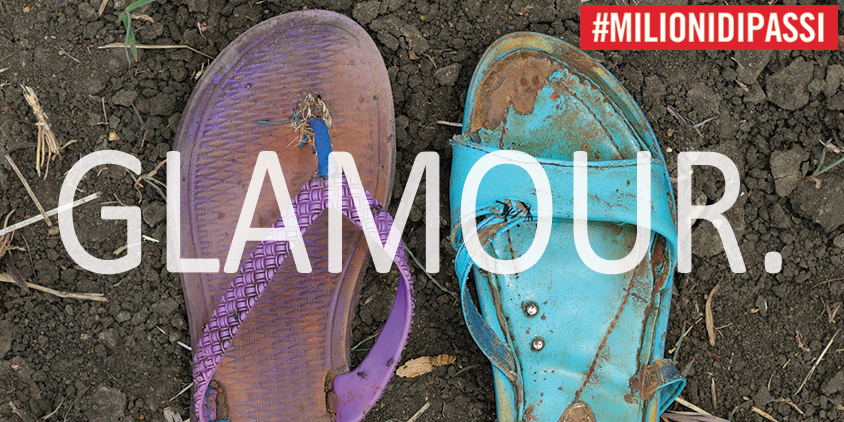
Utilizzando le foto di calzature scattate dalla fotografa americana Shannon Jensen a partire dal 2012, che ha documentato l’esodo di dimensioni bibliche delle popolazioni del Sudan verso una agognata tranquillità, Medici senza frontiere documenta la propria presenza fra queste genti alle quali fornisce non solo le necessarie cure mediche e le vaccinazioni, ma l’assistenza psicologica, il cibo, l’acqua potabile puntando il dito sull’inadeguatezza degli aiuti istituzionali.

Dunque queste scarpe logore, piccole, grandi, spaiate diventano il simbolo di un’umanità martoriata e in viaggio e un appello disperato affinché vengano

  • stabiliti “canali regolari per consentire alle persone di cercare protezione in modo sicuro. La chiusura delle frontiere e la mancanza di vie legali e sicure per raggiungere l’Europa costringe, infatti, le persone a intraprendere viaggi pericolosi mettendo a rischio la loro vita nelle mani di bande criminali senza scrupoli”.
  • ripristinato “un adeguato dispositivo di soccorso in mare. Pur non essendo la soluzione al problema, non si può permettere che la miopia e l’egoismo dell’Europa diventino un alibi per l’inazione dell’Italia. Il mare che bagna le nostre coste non può trasformarsi per sempre in un cimitero”.
  • garantite “adeguate condizioni di accoglienza” e previsti “piani per la gestione dell’emergenza alle frontiere che permettano a chi fugge di vivere dignitosamente durante il viaggio verso un futuro più sicuro”.


English Version

What do African deserts, Siberian woods, Yemenite mountains, Central American roads, Greek islands and Sicilian boating docks have in common? The fact that, every year, they are treaded by millions of people fleeing their homes. Fleeing from wars, from violence, from places where the situation is no longer tolerable. Never, according to the UNHCR (United Nations High Commission for Refugees), has the world seen so many people fleeing toward a better life.

“Imagine walking for days, weeks, or months in desert sand or in snow, or crossing high seas in unsafe dinghies, looking for a safe-haven. This nightmare is a reality for 51 million people worldwide, forced to take a million steps to survive. Amongst these, 16 million are refugees, over 33 million are IDPs (internally displaced persons), and about 1.2 million are asylum seekers.

They all lead normal lives, many of them had jobs. They had to run from everything they had because they were trapped in a conflict or war. They had no choice but flee because they felt menaced, or were in some way attacked”

These are the words leading the new campaign by Medici senza Frontiere Italia, or the Italian equivalent of Doctors without Boarders (MsF), appropriately titled #milionidipassi (millions of steps), working to teach people about the tragedy that many peoples around the globe are suffering.

Using photographs of shoes, taken by American photographer Shannon Jensen during the mass immigration of Sudanese nationals towards tranquillity started in 2012, MsF documents its presence between these newly nomadic people, to whom it provides necessary medical care and vaccinations, as well as psychological assistance, food, and potable water, meanwhile scorningly pointing its finger at the inadequate aid from international organisations.

These shoes, then, whether consumed, small, large, or mismatched, become a symbol of a battered, nomadic humanity, yelling for aid in order to achieve:

  • the creation of ‘regular channel to allow for people to seek refuge in a safe manner. The closing of borders and the lack of legal ways to reach Europe forces desperate people to undertake difficult and treacherous journeys, putting their lives in the hands of organised crime’.
  • the revival of ‘adeguate sea rescue operations. Although not being the solution to the problem, we cannot allow the shortsightedness and the selfishness of the European Union to become an alibi for Italy’s lack of action. The water that wets our coasts cannot be turned into a cemetery’.
  • the granting of ‘adeguate welcoming conditions’ and ‘plans for dealing with emergencies at borders that allow fleeing people to live with dignity during their journey to a brighter and safer future’.

La sala di lettura// Reading room

Roberto Barni
Roberto Barni

Se invece di uscire per Pasqua programmate di starvene tranquilli a casa o su un prato con un bel libro, vi propongo l’ultimo romanzo di Fabio Genovesi dal titolo Chi manda le onde, edizioni Mondadori. E’ un libro di media grandezza, ma scorre veloce e i pochi giorni di festa dovrebbero essere sufficienti per leggerlo tutto.imagesFabio Genovesi è nato e legato a Forte dei Marmi in Toscana. Questo lo sa bene chi legge i suoi libri : tutto il suo mondo è lì e da questa piccola cittadina si riescono a comprendere aspetti belli e anche desolanti dell’Italia di provincia. Anche questo romanzo è ambientato al Forte dei Marmi e racconta di una generazione di ragazzi invecchiati che faticano a trovare la loro strada e soprattutto a capire cosa veramente vogliano dalla vita. La storia è un intreccio di eventi cominci e tragici assieme. Non ci si annoia mai e ci sono dei personaggi veramente veraci come Ferro, un fortemarino doc che ha giurato guerra a tutti i ricchi russi che hanno trasformato le case in ville di lusso pacchiane.In un ventaglio di umanità varia troverete anche due bambini “indigo”(nel senso di speciali un po’ come erano i personaggi del film Avatar), Luna e Zot, che non mancheranno di farvi sorridere e a tratti commuovere.
In tutto il libro anche nei momenti più divertenti riaffiora spesso una visione pessimistica della vita- La riflette anche Ferro, nel suo modo eccentrico di vivere e vedere le cose: “La vita è un temporale, è una burrasca. E’ una tempesta di schiaffi, con dentro ogni tanto, per sbaglio una carezza”. La carezza alla fine non mancherà e vi lascerà addosso un bel po’ di speranza. Anche perchè, siamo sinceri, se tutti i personaggi vinti del libro trovano un modo per far pace con le loro debolezze e sconfitte, anche a noi è permesso sperare.
Potessi rivolgere una domanda a Genovesi chiederei: tu che non avresti mai voluto che il Forte dei Marmi diventasse così diverso, violentato dai soldi e dall’arroganza di una ricchezza ostentata, perchè permetti che la lingua italiana invece venga travolta da una semplificazione totale, abolendo molte volte-come hai fatto in questo libro-l’uso del congiuntivo?

English version

If instead of going out to celebrate Easter you decide to do something calmer such as staying home with the company of a book, I reccomend the latest novel by Fabio Genovesi called “Chi manda le onde”, Mondadori edition. It is a book of medium length, but it is easily readable and a few days of holiday should be sufficient to finish it.

Fabio Genovesi is born in, and has a close affinity with, Forte dei Marmi in Tuscany. This becomes very clear to the readers of his books. Genovesi’s whole ‘world’ is in this small city. It is here where one can fully admire the beautiful and also sorrowful aspects of Italy’s provinces. The story told in this novel is also set in Forte dei Marmi and it is about a generation of youngsters that have grown up and are struggling to find their path in life and what they want from life. The story is an entwinning of comic events and tragic ones. One never gets bored with the genuine, very realistic characters like Ferro, a local man which swore war against all the rich russians who bought houses in Forte dei Marmi  and transformed them in luxury villas that made them ridicolous and ostentatious. Other fascinating characters include two indigo children (meant as children gifted with special abilities), Luna and Zot, who guide reader through moments of laughter and tears.

Throughout the book, even during the funnier, moments a pessimistic outlook on life is tangible. Ferro himself reflects this pessimism in his ways: “life is a storm, a hurricaine. It is a tempest of slaps in which, sometimes, there is a caress”.  You will notice the caress at the end and it will leave you with a feeling of hopefulness. If all the defeated characters of the novel can find a way to make peace with their weaknesses and shortcomings, so can we. If I could ask Genovesi one question, however, I would ask :  How could you, while denouncing the transformation of Forte dei Marmi, allow the complete simplification and impoverishment of the italian language through the elimination of the subjunctive tense?

23 – 29 March 2015, #museumweek2015

twitter-museum-weekSecondo voi è possibile celebrare la cultura attraverso un social media come Twitter?

Nel 2014 una dozzina fra istituzioni culturali francesi e manager di grandi musei in collaborazione con Twitter hanno dato vita alla “settimana dei musei” alla quale l’anno scorso parteciparono più di 630 istituzioni attraverso l’intera Europa, oggi l’evento vuole diventare planetario e già 29 paesi vi partecipano attivamente.

Ma di cosa si tratta? L’idea parte dal fruitore finale del museo, della collezione, della galleria: il pubblico. Per anni infatti le istituzioni hanno lottato, inutilmente, per limitare l’accesso alle strutture con fotocamere, telefoni cellulari dotati di macchina fotografica, enciclopedie on line e tutte le diavolerie elettroniche che ci portiamo quotidianamente con noi, per evitare che le preziose collezioni venissero fotografate di soppiatto, “amate fino alla morte”, postate su Facebook, SnapChattate senza ritegno da un pubblico, cialtrone forse, ma comunque pagante. Allora che fare? Beh se il nemico non si può combattere almeno fattelo amico! Ed ecco che molti musei hanno iniziato non solo ad abbracciare la filosofia del Tweet, ma addirittura a fornire una rete wireless istituzionale in modo che il tweet divenisse una incredibile fonte di pubblicità gratuita!

Così è nata #museumweek2015.  In 7 giorni, dal 23 al 29 marzo, con 7 temi da condividere con tutti i partecipanti di ogni parte del mondo, per ogni giorno un ashtag “#” diverso:

Lunedì 23 marzo con l’ashtag #secretsMW il pubblico scoprirà la vita quotidiana, il “dietro le quinte” delle varie istituzioni e chissà magari anche qualche segreto ben custodito.

Martedì 24 marzo #souvenirsMW il pubblico sarà invitato a condividere, naturalmente su Twitter, i ricordi che hanno di una loro visita al museo.

Mercoledì 25 marzo #architectureMW il pubblico potrà scoprire la storia dell’edificio che accoglie l’istituzione, dei suoi giardini, del suo quartiere e dei suoi luoghi emblematici.

Giovedì 26 marzo #inspirationMW il pubblico potrà catturare, intorno a sé, l’arte, la scienza, la storia, l’etnografia a seconda della specializzazione della struttura.

Venerdì 27 marzo #familyMW il pubblico potrà apprezzare e provare tutto ciò che offre l’istituzione per rendere una visita in famiglia o con la scuola un’esperienza indimenticabile.

Sabato 28 marzo #favMW sarà il giorno dei colpi di fulmine! I visitatori potranno condividere – con una foto, un video – ciò che hanno amato di più del museo.

Domenica 29 marzo #poseMW tutti potranno considerare il museo come un set e mettersi al centro della scena. Pose, memi, selfie tutto è possibile!

Durante l’evento, tutti possono cogliere l’occasione per dimostrare il loro entusiasmo nei confronti del museo che stanno visitando e della cultura in generale. Servirà ad avvicinare un pubblico più vasto all’idea di museo?


English version 

Is it possible, in your opinion, to celebrate culture through a social media platform like Twitter?

In 2014 a dozen French cultural associations and large museums managers, through a collaboration with Twitter, came together and organised ‘Museum Week’, a project which involved 630 institutions throughout Europe joining forces on the social media website. This year Twitter is repeating their successful experiment, and expanding it worldwide, with 29 confirmed participating countries.

But what is Museum Week? The idea begins with the final ‘user’ of a museum, an exhibition, a gallery: the public. For years, institutions like museums have fought relentlessly though uselessly to limit access in their premises with cameras, cameraphones, online encyclopaedias, and all other electronic aids that, nowadays, are but a swipe of the finger away. This has always been an attempt to prevent the public from sneaking photograph inside their exhibitions, that would certainly end up on a social media platform, to prevent them from being posted on Facebook, from being SnapChatted, and from all the other online terms that have become part of our everyday vocabulary. This allowed galleries and museums to make sure that the only people able to observe the works contained would be the paying costumers. But, as they say, if you can’t beat them join them. And that is how how Museum Week was born, as many of the institutions that faced this problem started embracing the idea of dedicating a week to tweeting the ins and outs of their exhibitions, gaining ‘favourites’ in exchange for large amounts of publicity.

This is how the ongoing #museumweek2015 was created. It consists of 7 days, from March 23 to March 29, each treating a different theme to be shared with users all over the world, each represented through a different hashtag:

Monday 23 March was dedicated to the hashtag #secretsMW, in which the public was allowed to see the behind the scenes life in large institutions and museum around the world, and, who knows, maybe revealing some juicy secrets.

Tuesday 24 March the hashtag for the second day was #souvenirsMW, where the users were invited to share, through Twitter, the memories that they may have of their visit to the museum.

Wednesday 25 March revolves around #architectureMW, where users will learn of the story of the building that the museum is found in, of its neighbourhood, and of its significant landmarks.

Thursday 26 March with #inspirationMW, the user will be able to capture art, science, history and ethnography within (and depending on) the institution.

Friday 27 March will look at #familyMW, where the user will be able to appreciate and try all the  museum has to offer in order to make a family visit or school trip an unforgettable experience.

Saturday 28 March, #favMW, will be the day where users have the opportunity to share via photo or video on Twitter, what they loved most about the museum.

Sunday 29 March will be dedicated to #poseMW, where all museums taking part of the project will become photoshoot sets, and photos, selfies and group shots will be allowed.

Throughout the entirety of the event, everyone can take the opportunity to show their enthusiasm in regards to the museum that they are visiting through Twitter. Will it be useful in an attempt to introduce a larger amount of ‘users’, the public, to the idea of visiting a museum?

Andar per gallerie // A walk through galleries

Simone Gori, Ego, 2015

Chi ama l’arte contemporanea, i giovani artisti, gli eventi più nuovi e interessanti, non può fare a meno di frequentare il mondo delle gallerie. Ci sono gallerie di grido, che fanno tendenza, ci sono gallerie più paludate e rassicuranti, che hanno un occhio al passato recente, e quelle più spinte e coraggiose, cioè aperte ai giovanissimi. Ognuna ha un suo stile, tanto che si potrebbe dire: dimmi quale galleria d’arte frequenti e ti dirò chi sei.

Le gallerie che si occupano dei giovani artisti possono trasformarsi in una rivelazione. Da non perdere, ad esempio, la mostra Ego, del giovane artista Simone Gori, presso la Corte Arte Contemporanea di Firenze: si aprirà il 27 marzo prossimo. Sarei curiosa di visitarla perché, con uno spirito leggero, ironico e pungente, l’artista ha dichiarato di presentare un lavoro dedicato all’Ego degli artisti e a quello di tutti coloro che, grazie alla proliferazione dei social media, amano parlare molto di sé. In mostra si troverà una grande camera d’aria che, fuoriuscendo da un piccola scatola (il corpo), si espande gonfiandosi e quindi sottraendo spazio al pubblico, fino a quasi sospingerlo fuori la sala.

Questa occasione ci ricorda, ancora una volta,come le gallerie siano anche fonte di scoperte insolite e stimolanti.

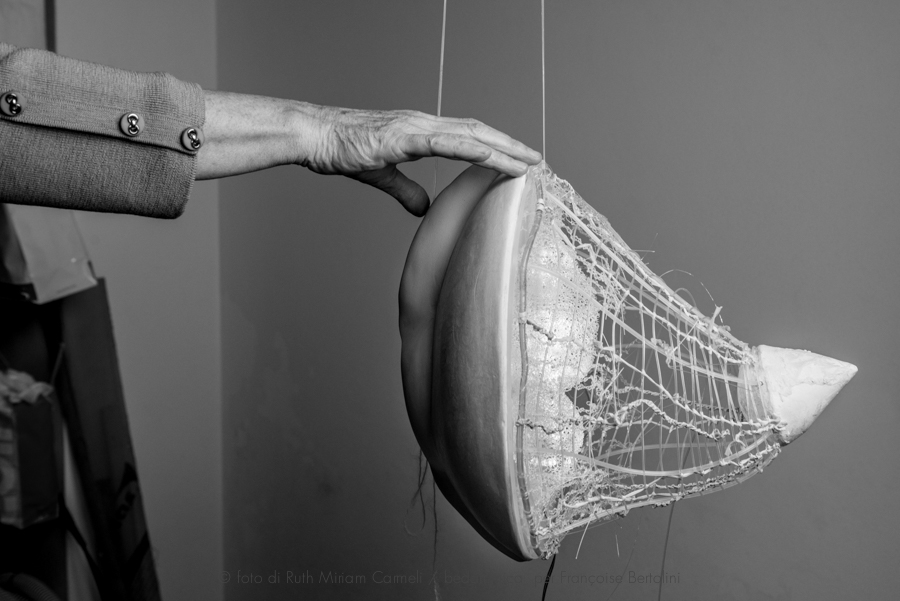
E’ in una altra galleria, ad esempio, che ho conosciuto l’opera di Francoise Bertolini. La mostra si intitolava Vasi comunicanti e si teneva sempre a Firenze, alla Galleria di Antonio Lo Pinto. Artista, scultrice, pittrice, la svizzera Francoise Bertolini lavora da anni a Firenze. Possiamo definire il suo lavoro una rigenerazione di forme. L’artista infatti parte da oggetti trovati – spesso frammenti di oggetti rotti, come nel caso dei vasi presenti nella mostra di cui vi parlo – per intervenire su di essi con materiali diversi e trasformarli in qualcosa d’altro, portandoli a trovare un nuovo equilibrio e significato.

Francoise Bertolini
Francoise Bertolini

Le opere della mostra sono forme sospese – non rimane più niente della funzionalità originaria del vaso – ma evocano elementi organici, quasi fisiologici, che rimandano al corpo umano. Il critico Giuliano Serafini le ha definite “trasfusori di vita”. Facendo un grande salto, mi hanno portato alla mente i vasi comunicanti  delle due Fridas  dipinti dell’artista messicana Frida Kahlo. Non c’è dubbio: due artiste (Kahlo e la Bertolini) molto diverse tra loro, ma con sensibilità e impronte esistenziali affini.

English version

Those who love contemporary art, the youth, and most recent and stimulating events cannot help but go to art galleries. There are conservative galleries that are more reassuring and traditional in the art that they promote and, on the other hand, there are galleries that are innovative and more open to exploration; those are the ones that welcome the youth. Each one has a style, one could almost say: tell me which art gallery you go to and I will tell you what type of person you are.

One can find the art galleries display the work of young artists to be a revelation.  A must, for example, is the exhibition Ego, by the young artist Simone Gori, at La Corte Arte Contemporanea in Florence : the opening will be the 27th of March. Personally, I would love to go, because the artist explores in a light, ironic and stimulating way the ego of artists and of those who, through social media, are allowed to talk about themseves. The exhibition will consist of a small box (representing the human body) which contains an expanding air chamber that slowly eats away at the public space until observers are almost shoved out of the room.

It was in another gallery that I encountered Francoise Bertolini’s work. The exhibition, which was titled “Communicating vases” was held at Galleria di Antonio Lo Pinto. Francoise Bertolini, a swiss painter and sculptor, has been working in Florence for years now. Her work could be defined as a regeneration of shapes. The artist bases her work on materials she finds, usually parts of broken objects. The afore mentioned vases, for example, were built from said fragments. Bertolini uses different materials and transforms them into something else; her aim is to bring another meaning to the broken objects.

The art works in the exhibition were suspended- the functionality of the vases was completely gone- instead they evoked organic, almost physiological images that remind of the human body. The critic Giuliano Serafini defined them as ” trasfusori di vita” in english, transmitters of life. Francoise Bertolini’s communicating vases got me thinking of the mexican artist Frida Kahlo’s  painting of connecting vases. Some would see this as a far-fetched connection as the two  female artists (Kahlo and Bertolini) are very different, however, they share a sensitivity and an affinity in their existentislist imprints.

Chiacchiere del lunedì // Monday morning recap

Delphine Boël, The Golden Rule blabla

Ce ne sarebbe da dire sulla settimana passata…

Ancora tanti morti: strage di turisti al Bardo di Tunisi, più di 140 yemeniti uccisi davanti ai loro luoghi sacri, ancora violenza che non ha pietà né confini, né colori… ci si chiede solo perché e questa domanda per i più resta irrisolta. L’unica logica è la strategia del terrore. E questi sono i “cattivi”, ma che dire dei “buoni” di coloro che dovrebbero mantenere l’ordine? Ed ecco altra violenza: navi della guardia costiera turca che sparano ai migranti sulle loro precarie imbarcazioni prima che possano arrivare alle coste italiane, e ancora una volta perché?

In settimana ci sono state le solite pessime notizie di casa nostra: politici che mollano “tutto” perché coinvolti in scandali il cui denominatore comune sta sempre fra denaro e potere, ma che continuano a sedere in parlamento. Pezzi della storia italiana in svendita al miglior offerente, questa volta un colosso chimico cinese.

Papa Francesco che fa tenerezza, e mette d’accordo tutti anche gli atei più atei, perché sembra un uomo solo contro la tempesta quando tuona, da una terra martoriata come quella dell’entroterra napoletano, “la corruzione spuzza”.

In tutto ciò l’eclissi. Splendida, misteriosa, che ci ha fatto sentire piccoli e ci ha fatti rimanere una mattinata con il naso all’in su. Il sole nero, l’anello di diamanti, come nella migliore delle tradizioni, siamo tutti diventati esperti. Gli antichi la consideravano foriera di cattivi presagi, ma guardiamoci cosa ancora potrebbe capitare?


Monday morning recap

So much can be said about the past week…

One could talk about the many deaths that occurred: the attack on tourists at the Bardo Museum in Tunis, the undisclosed number of Yemenites killed in front of their places of worship, the pitiless, borderless violence that still persists around the world… One question comes to mind that for all remains unanswered: ‘Why?’. The only logic behind all the violence seems to be that of terror, but this theory only explains the acts of those that are ‘evil’, and not the actions of those that are meant to be ‘good’ – what about the ones that are meant to enforce peace? That brings us to yet more violence such as the Turkish Coast Guard ships shooting migrants on their precarious dinghies before they could reach safety onto the coasts of Italy. Once again, we ask ourselves the same, unanswered question: ‘Why?’.

In more local events, the past week brought more of the same negative news at home: politicians that resign because of their involvement in various scandals, in which the common denominator remains money and power, but that still hold on tightly to their seat in Parliament. Pieces of our heritage and history sold to the highest bidder, this time to a Chinese tycoon. So on and so forth. 

Pope Francis, who warms hearts with his sweetness and manages to open the eyes of the most convinced of atheists, often due to the fact that he seems to be one old man standing alone against a lightening storm, visiting the Neapolitan hinterland and declaring that, yes, ‘corruption spuzza’ (Italian informal word for ‘stinks’).

And amidst all this, the rare event of the total solar eclipse. Splendid, mysterious, making us all feel like children. An event that left us all looking at the sky for part of a morning, hopeful to get a glimpse of the Moon momentarily transiting in front of our closest star. The black Sun turned everyone into experts astronomers, trained specifically in the science of such events, as ever so often happens. In ancient times eclipses were considered a bad omen for the future, but, in looking back at the past week, what more could possibly happen?